

Defense against federal government contract fraud, bid rigging, kickback and false claims
charges in Arizona.
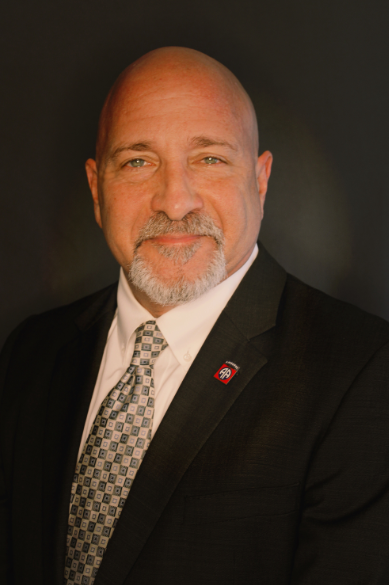
30+ Years Federal Defense
The government is saying you defrauded them on a federal contract and now criminal investigators are involved. Procurement fraud cases often start as civil investigations and escalate to criminal charges. If you held a government contract and the feds believe you misrepresented your qualifications, overbilled for services or failed to deliver what you promised you could be facing both civil penalties and criminal prosecution.
I’ve defended government contractors facing fraud allegations from the initial investigation through trial. I know how to work with the contracting officer and the U.S. Attorney’s office simultaneously to protect your interests on both fronts.
Federal prosecutors have a vast arsenal of statutes to charge procurement fraud, bid rigging, and kickbacks. The specific charges depend on the nature of the alleged conduct.
The Major Fraud Act of 1988 targets large-scale fraud involving federal contracts, grants, loans, subsidies or procurement agreements.
Knowingly executed, or attempted to execute, a scheme or artifice to defraud the United States; or
Obtained money or property by means of false or fraudulent pretenses, representations or promises;
In any grant, contract, subcontract, subsidy, loan, guarantee, insurance or other form of federal assistance;
Where the value of the contract, subcontract or any constituent part thereof is $1,000,000 or more. [1]
Sentencing in federal court is heavily influenced by the United States Sentencing Guidelines (USSG). While the guidelines are advisory, judges must calculate them correctly and consider them when imposing a sentence.
For fraud offenses, including procurement fraud and kickbacks, USSG §2B1.1 applies. The base offense level is typically 6 (or 7 if the statutory maximum is 20 years or more). [4]
The most significant driver of the sentence is the **loss amount** (USSG §2B1.1(b)(1)). The guidelines increase the offense level based on the intended or actual loss to the government, whichever is greater. For example:
Loss more than $6,500: +2 levels
Loss more than $40,000: +6 levels
Loss more than $250,000: +12 levels
Loss more than $1,500,000: +16 levels
Loss more than $9,500,000: +20 levels [4]
The Department of Justice has made combating procurement fraud a top priority. In 2019, the DOJ launched the **Procurement Collusion Strike Force (PCSF)**, a coordinated national response to combat antitrust crimes and related schemes in government procurement, grant and program funding. [5]
Since its inception, the PCSF has trained over 47,000 agents and procurement officials, opened over 200 investigations, and secured over 85 guilty pleas and trial convictions, resulting in over $70 million in fines and restitution. [5]
The District of Arizona, with courthouses in Phoenix and Tucson, is a highly active jurisdiction for federal prosecutions. The state’s significant military presence (e.g., Davis-Monthan AFB, Luke AFB, Fort Huachuca) and numerous federal agencies make it a prime location for procurement fraud investigations.
Federal procurement fraud investigations are typically complex, lengthy and resource-intensive. They are often conducted jointly by multiple agencies, such as the FBI, IRS Criminal Investigation (IRS-CI), and the Inspector General’s office of the affected agency (e.g., DoD OIG).
Procurement fraud and bid rigging can take many forms. Common scenarios include:
Defending against federal procurement fraud charges requires a proactive and aggressive strategy. Experienced federal defense attorneys employ various tactics depending on the facts of the case.
A federal conviction for procurement fraud carries devastating collateral consequences that extend far beyond prison time and fines.
A: Not necessarily, but it is a serious warning sign. A subpoena means the government is investigating potential criminal activity. You may be a target, a subject, or merely a witness. It is critical to hire a federal defense attorney immediately to communicate with prosecutors, determine your status, and manage the document production process to avoid obstruction charges.
A: Yes. Bid rigging is a *per se* violation of the Sherman Act, meaning the agreement itself is illegal, regardless of whether it was successful or whether your company won the bid. The crime is the conspiracy to eliminate competition.
A: A civil False Claims Act (FCA) case involves liability for submitting false claims for payment to the government, resulting in treble damages and civil penalties. A criminal case involves the DOJ seeking prison time and criminal fines. Often, the DOJ pursues parallel civil and criminal investigations for the same conduct.
A: Yes. Under the doctrine of *respondeat superior*, a corporation can be held criminally liable for the illegal acts of its employees if those acts were committed within the scope of their employment and intended, at least in part, to benefit the corporation.
A: These investigations are notoriously slow and can last anywhere from one to five years, or even longer. The complexity of the contracts, the volume of documents, and the involvement of multiple agencies contribute to the lengthy timeline.
A: While difficult, it is possible. Avoiding prison depends heavily on the calculated loss amount under the sentencing guidelines, the defendant’s criminal history, their role in the offense, and the presentation of compelling mitigating factors to the judge during sentencing.
A: You should politely decline to answer any questions and state that you want to speak with an attorney. Do not lie to the agents, as that is a separate federal crime (18 U.S.C. § 1001). Contact a federal criminal defense lawyer immediately. — *Disclaimer: This article is for informational purposes only and does not constitute legal advice. If you are facing federal charges or an investigation, consult with an experienced federal criminal defense attorney immediately.*
Facing federal charges? Call now for a free, confidential consultation with an experienced federal defense attorney who has handled these cases for over 30 years.
Available 24/7 — Nights & Weekends
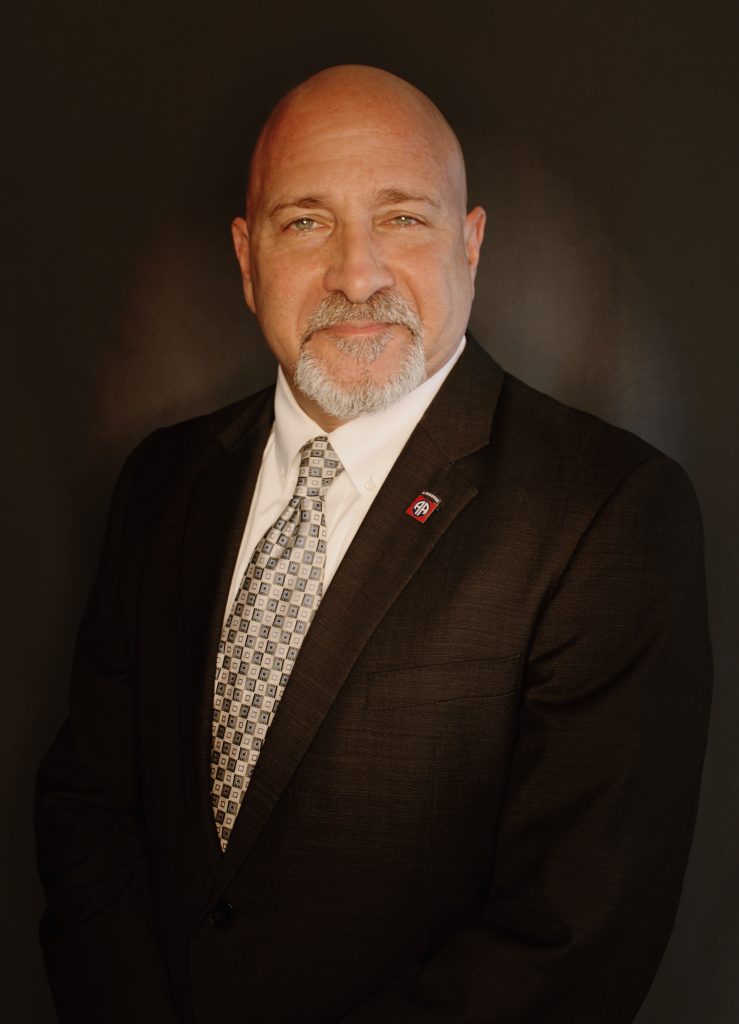
30+ Years Federal Defense Experience
U.S. Army Veteran (82nd Airborne)
Time is critical when facing federal charges. Every day without experienced counsel is a
day the government uses to build its case against you. Contact Myles A. Schneider today
for a free, confidential consultation.
Available 24/7 – Free consultation for all federal criminal matters
This site is for informational purposes only. Not legal advice.
Website crafted by Minnesota Legal Website Design & SEO
