

Health Care Fraud Defense

Defense for healthcare providers and executives facing federal fraud charges related to
Medicare, Medicaid, TRICARE and private insurance programs.

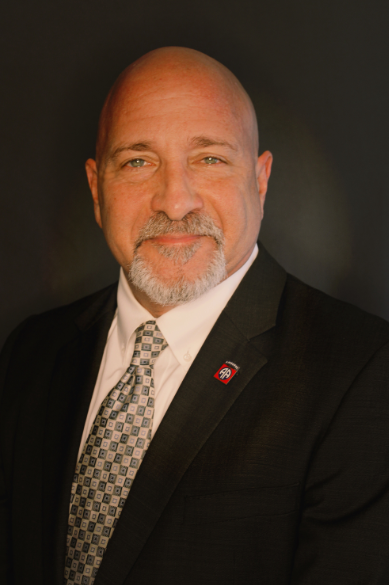
Myles A. Schneider

30+ Years Federal Defense

Facing Health Care Fraud Charges? We Can Help.

You’re a healthcare provider and federal investigators just showed up at your practice asking for patient records. Healthcare fraud investigations destroy careers even before charges are filed. The moment CMS or the OIG gets involved your billing gets scrutinized under a microscope. What you considered standard practice in your field suddenly gets recharacterized as fraud. Your medical license and your freedom are both at risk.


I defend doctors, dentists, pharmacists and clinic owners facing federal healthcare fraud charges. I understand the billing codes and the medical terminology that prosecutors twist to build their cases. More importantly I know how to push back against their interpretations and protect your career.

Federal Statute Details: 18 U.S.C. § 1347

The primary weapon used by federal prosecutors to combat fraud in the medical sector is 18 U.S.C. § 1347. This statute makes it a federal crime to knowingly and willfully execute, or attempt to execute, a scheme or artifice to defraud any health care benefit program, or to obtain money or property owned by a health care benefit program by means of false or fraudulent pretenses, representations or promises [2].

To secure a conviction under 18 U.S.C. § 1347, the government must prove the following elements beyond a reasonable doubt:

Existence of a Scheme: The defendant knowingly and willfully executed or attempted to execute a scheme to defraud a health care benefit program, or to obtain money or property from the program through false pretenses.
Connection to Health Care: The scheme was in connection with the delivery of or payment for health care benefits, items or services.
Intent: The defendant acted with the specific intent to defraud.

A critical aspect of 18 U.S.C. § 1347 is the mental state required. The statute explicitly states that a person “need not have actual knowledge of this section or specific intent to commit a violation of this section” [2]. This means prosecutors do not have to prove you knew you were violating 18 U.S.C. § 1347 specifically.


Furthermore, the government often relies on the concept of “constructive knowledge” or “willful blindness.” If a provider is aware of a high probability of illegal conduct (e.g., glaring billing anomalies) and deliberately takes steps to avoid learning the truth, a jury can infer the requisite intent [2].


The statutory maximum penalties under 18 U.S.C. § 1347 are severe:

Federal Sentencing Guidelines for Health Care Fraud

If convicted, a defendant's actual sentence is heavily influenced by the United States Sentencing Guidelines (USSG). Health care fraud is sentenced under USSG § 2B1.1, which covers theft, property destruction, and fraud offenses [3].

The base offense level for health care fraud under § 2B1.1 is typically 6. However, the single most significant factor driving the sentence is the "loss amount" [3]. The Guidelines dictate substantial increases to the offense level based on the financial harm caused or intended by the fraud.

Crucially, the government will often argue for the **intended loss** rather than the actual loss. If a clinic billed Medicare for $5 million in fraudulent claims but only received $1 million before being caught, the sentence will likely be calculated based on the $5 million intended loss, drastically increasing the recommended prison time [3].

Beyond the loss amount, several Specific Offense Characteristics (SOCs) can further increase the offense level:

Number of Victims: Enhancements apply if the scheme involved a large number of victims (e.g., patients whose identities were used or who received substandard care).
Sophisticated Means: A +2 level increase applies if the fraud involved complex methods, such as using shell companies or intricate kickback networks to conceal the activity [3].
Abuse of Position of Trust: A +2 level increase is routinely applied to doctors, clinic owners, and medical professionals who use their specialized position to facilitate the fraud [3].
Obstruction of Justice: Attempting to alter records or influence witnesses during the investigation will result in a +2 level increase and eliminate the possibility of a reduction for accepting responsibility [3].

Defense Strategies for 18 U.S.C. § 1347

Defending against federal health care fraud charges requires a proactive, aggressive approach. An experienced federal defense attorney will scrutinize the government's evidence and build a defense tailored to the specific facts of the case.

The most common and often most effective defense is demonstrating a lack of criminal intent. The government must prove you *knowingly and willfully* intended to defraud.

Honest Mistakes: The defense can argue that billing errors were the result of honest mistakes, administrative oversight, or confusion over incredibly complex Medicare/Medicaid billing regulations, rather than a deliberate scheme to steal [7].
Reliance on Experts: If the provider relied in good faith on the advice of billing companies, compliance officers, or legal counsel, this can negate the element of willful intent [7].

Federal prosecutors rely heavily on data and expert witnesses. The defense must challenge this evidence:

Medical Necessity: The defense can retain independent medical experts to testify that the services provided were, in fact, medically necessary and appropriate under the standard of care.
Contesting the Loss Calculation: Because the loss amount drives the sentence, the defense must aggressively challenge the government’s calculations, arguing that certain claims were legitimate or that the “intended loss” figure is speculative and overstated [3].

In cases involving undercover agents or informants (common in kickback or pill mill investigations), the defense may argue entrapment—that the government induced a normally law-abiding provider to commit a crime they would not have otherwise committed [7].

DOJ Enforcement Trends and Priorities

The DOJ considers health care fraud a top priority, citing the massive drain on the public fisc and the potential for patient harm. In 2025, the DOJ's Health Care Fraud Unit reported an average return on investment of $106.76 per $1 spent on enforcement [4].

The centerpiece of the DOJ's efforts is the annual National Health Care Fraud Takedown. The 2025 takedown resulted in criminal charges against 324 defendants nationwide, involving over $14.6 billion in alleged intended losses [5].

Recent enforcement actions highlight several specific areas of focus:

Substance Abuse Treatment and Sober Homes: The DOJ is aggressively targeting facilities that bill for non-existent services, use illegal kickbacks to recruit vulnerable patients, and provide substandard care [4].
Telemedicine Fraud: With the rise of telehealth, prosecutors are prioritizing cases where telemedicine platforms are exploited to generate false claims, improperly prescribe controlled substances, or bypass clinical oversight [4].
Wound Care and Skin Substitutes: There has been an “explosion” in Medicare payments for amniotic wound allografts, driven by kickbacks and medically unnecessary applications, leading to intense DOJ scrutiny [4].
Prescription Drug Diversion: The DOJ continues to target “pill mills” and providers who prescribe controlled substances outside the usual course of professional practice [4].

District of Arizona Specifics: The West Coast Strike Force

Arizona has become a focal point for federal health care fraud enforcement. In April 2026, the DOJ announced the creation of the **West Coast Health Care Fraud Strike Force**, specifically targeting Arizona, Nevada and Northern California [1]. The DOJ noted a "significant and accelerating increase" in health care fraud across this region [1].

The U.S. Attorney's Office for the District of Arizona, operating out of the Phoenix and Tucson divisions, has been highly active in prosecuting these cases, often in coordination with the new Strike Force.

Recent notable cases in Arizona include:

The $650 Million AHCCCS Scheme: A defendant was indicted for allegedly submitting $650 million in fraudulent claims to the Arizona Health Care Cost Containment System (AHCCCS) for addiction treatment services that were never provided or were medically unnecessary, targeting homeless and Native American populations [5].
The $1 Billion Amniotic Allograft Fraud: Several Arizona residents were charged in a scheme targeting elderly hospice patients, applying unnecessary and excessively large amniotic wound allografts to generate over $1 billion in fraudulent Medicare claims [5].
Kickbacks for Patient Referrals: Arizona facility owners have been indicted for receiving hundreds of thousands of dollars in illegal kickbacks to refer AHCCCS-insured patients to specific outpatient treatment centers [5].

These cases demonstrate that Arizona federal prosecutors are prioritizing large-scale schemes involving AHCCCS (Arizona’s Medicaid program), Medicare, kickbacks and the exploitation of vulnerable populations.

The Investigation Process: How the Government Builds Its Case

Federal health care fraud investigations are typically multi-agency efforts involving the FBI, the Department of Health and Human Services Office of Inspector General (HHS-OIG), the DEA, and the IRS Criminal Investigation Division.

Investigations rarely start randomly. They are usually triggered by:

Whistleblowers (Qui Tam Lawsuits): Employees, former employees, or competitors who report fraud under the False Claims Act.
Data Analytics: The DOJ and HHS-OIG use sophisticated software to identify billing anomalies, such as a provider billing significantly more for a specific code than their peers [4].
Audits: Referrals from Medicare Administrative Contractors (MACs) or Recovery Audit Contractors (RACs) who uncover suspicious patterns during routine audits [6].
Hotline Complaints: Tips from patients or their families regarding billed services they never received.

These cases demonstrate that Arizona federal prosecutors are prioritizing large-scale schemes involving AHCCCS (Arizona’s Medicaid program), Medicare, kickbacks and the exploitation of vulnerable populations.

Subpoenas: The government will issue sweeping subpoenas for patient files, billing records, financial documents, and internal communications [6].

Common Fact Patterns Leading to Charges

While health care fraud can take many forms, certain fact patterns frequently lead to federal indictments in Arizona:

Billing for Services Not Rendered: Submitting claims for appointments, tests or procedures that never took place. This often involves creating fake patient charts or “cloning” notes from previous visits.
Upcoding: Billing for a more expensive service or procedure than the one actually provided (e.g., billing a brief 10-minute checkup as a comprehensive 45-minute evaluation).
Unbundling: Submitting separate bills for procedures that should be billed together under a single, lower-priced code.
Medically Unnecessary Services: Ordering tests, prescribing medications, or performing procedures that are not justified by the patient’s diagnosis, solely to generate revenue.
Kickbacks and Bribes: Paying or receiving remuneration (cash, gifts, lucrative contracts) in exchange for patient referrals, violating the Anti-Kickback Statute and often forming the basis for a § 1347 charge.

Collateral Consequences: Beyond Prison and Fines

The impact of a health care fraud conviction extends far beyond the courtroom. The collateral consequences can permanently destroy a professional career and financial stability.

A conviction for health care fraud results in mandatory exclusion from participating in Medicare, Medicaid, TRICARE and all other federal health care programs for a minimum of five years, and often much longer [8]. For most providers, this is a career-ending sanction, as it becomes impossible to work for any entity that bills these programs.

State licensing boards (such as the Arizona Medical Board or Arizona State Board of Nursing) will almost certainly initiate disciplinary proceedings following a federal conviction. This typically results in the suspension or permanent revocation of the provider's license to practice [8]. The federal government utilizes asset forfeiture to seize property derived from the proceeds of the fraud. This can include bank accounts, real estate, luxury vehicles, and investments [8]. The government can freeze these assets early in the investigation, crippling a defendant's ability to fund their legal defense or maintain their business.

In addition to criminal fines, defendants are ordered to pay restitution to the defrauded programs. Furthermore, a criminal conviction can trigger parallel civil lawsuits under the False Claims Act, which carries treble damages (three times the amount of the fraud) and massive per-claim penalties.
A: Not necessarily, but it is a serious warning sign. A subpoena means the government is gathering evidence. You may be a target, a subject, or merely a witness. It is critical to retain federal defense counsel immediately to interface with the investigators, manage the document production, and determine your exposure before you speak to any agents.

A: Yes. While you can argue that you relied on the billing company, the government often takes the position that the provider is ultimately responsible for the claims submitted under their provider number. If the government believes you knew the billing company was submitting false claims, or if you deliberately ignored red flags (willful blindness), you can be charged.

A: A civil audit (e.g., by a MAC or RAC) is typically looking for overpayments and administrative errors, resulting in a demand for repayment. A criminal investigation (by the FBI or OIG) is looking for intentional fraud and seeks prison time. However, civil audits can quickly escalate into criminal investigations if the auditors uncover evidence of deliberate deception.

A: Generally, an investigation alone does not result in license revocation. However, if the state medical board believes you pose an imminent danger to the public (e.g., in cases of severe overprescribing), they may seek an emergency suspension of your license while the investigation is pending [9].

A: **No.** You should never speak to federal agents without an attorney present. Agents are trained interrogators, and any statements you make can be used against you. Even denying involvement can lead to separate felony charges for making false statements to a federal agent (18 U.S.C. § 1001). Politely decline to answer questions and contact a lawyer immediately.

A: The government typically uses the “intended loss”—the total amount billed to the insurance program—rather than the “actual loss” (the amount actually paid out). Because health care providers often bill at rates much higher than what Medicare actually reimburses, using the intended loss can drastically inflate the recommended prison sentence under the Guidelines. *** *Disclaimer: This article is for informational purposes only and does not constitute legal advice. Federal health care fraud is a highly complex area of law. If you are facing an investigation or charges, you should consult with an experienced federal criminal defense attorney immediately.*

Free Consultation

Facing federal charges? Call now for a free, confidential consultation with an experienced federal defense attorney who has handled these cases for over 30 years.

Available 24/7 — Nights & Weekends

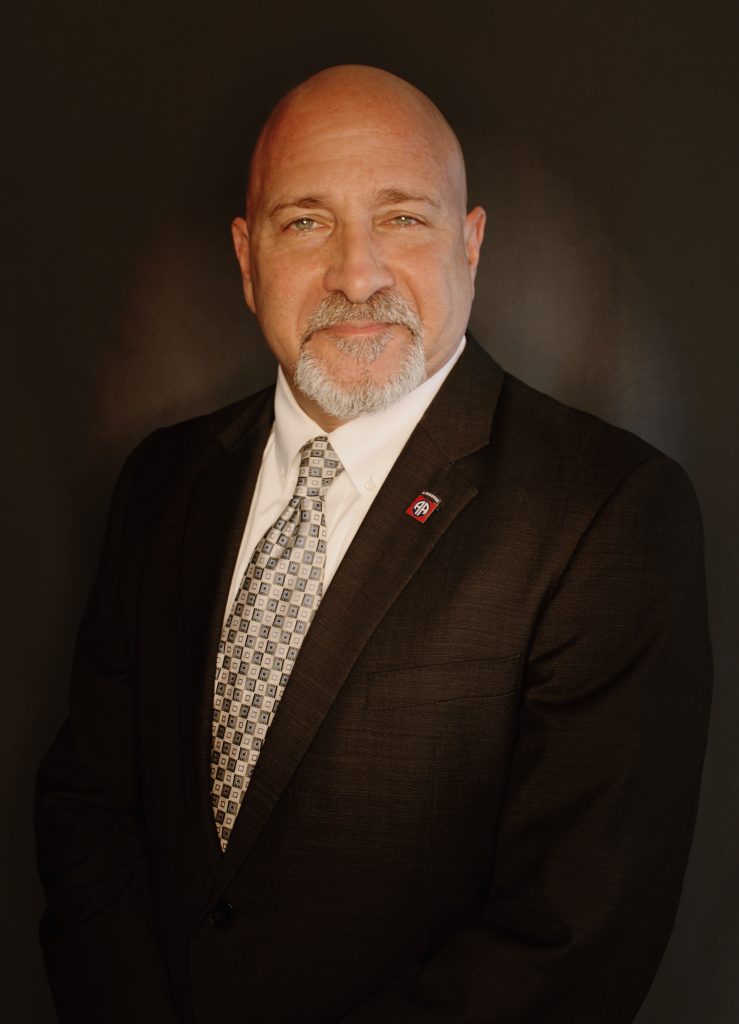
Myles A. Schneider

30+ Years Federal Defense Experience

U.S. Army Veteran (82nd Airborne)

Why Choose Our Firm

Get Experienced Federal Defense Now

Time is critical when facing federal charges. Every day without experienced counsel is a
day the government uses to build its case against you. Contact Myles A. Schneider today
for a free, confidential consultation.