

Defense against federal alien smuggling, transporting, and harboring charges under 8 U.S.C.
§ 1324 in Arizona — one of the busiest border districts in the nation.
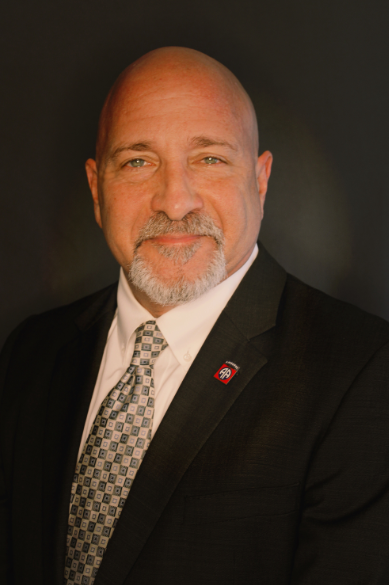
30+ Years Federal Defense
You’ve been arrested for allegedly helping someone cross the border or harboring undocumented individuals. Federal alien smuggling charges under 8 U.S.C. 1324 carry severe penalties especially here in Arizona where border enforcement is intense. The government doesn’t care if you were helping a family member or if you didn’t realize what you were getting into. They charge everyone the same way and push for maximum sentences.
I’ve defended alien smuggling cases in the District of Arizona for decades. I know the border patrol agents, I know the prosecutors and I know what defenses work in these cases. Whether you were a driver, a guide or someone who simply provided shelter I can fight for you.
The primary federal statute governing alien smuggling and related offenses is 8 U.S.C. § 1324, titled “Bringing in and harboring certain aliens.” This statute encompasses several distinct offenses, each with specific elements that the government must prove beyond a reasonable doubt.
Under 8 U.S.C. § 1324(a)(1)(A), it is a federal crime to engage in any of the following acts:
Elements:* (1) The defendant knew the person was an alien; (2) the defendant brought or attempted to bring the alien to the U.S.; and (3) the entry was at a non-designated place.
Elements:* (1) The alien was in the U.S. illegally; (2) the defendant knew or recklessly disregarded this fact; (3) the defendant transported or moved the alien; and (4) the transportation was “in furtherance of” the alien’s illegal presence.
Elements:* (1) The alien was in the U.S. illegally; (2) the defendant knew or recklessly disregarded this fact; and (3) the defendant concealed, harbored or shielded the alien from detection.
Penalties for violating 8 U.S.C. § 1324 are severe and are largely determined by the United States Sentencing Guidelines (USSG), specifically §2L1.1.
The statutory maximum penalties depend on the specific offense and aggravating factors:
Under USSG §2L1.1, the base offense level for smuggling, transporting or harboring an unlawful alien is typically 12. However, this level can be significantly increased based on Specific Offense Characteristics:
The Department of Justice (DOJ) has consistently prioritized the prosecution of immigration offenses, particularly along the Southwest border.
Data from the Transactional Records Access Clearinghouse (TRAC) indicates a significant surge in convictions for bringing in or harboring undocumented immigrants under the Biden administration. In the first eight months of FY 2023, the government reported a record 3,894 new convictions under 8 U.S.C. § 1324 [3]. The vast majority of these convictions—almost three times the number of smuggling convictions—were for transporting undocumented immigrants within the U.S. (8 U.S.C. § 1324(a)(1)(A)(ii)) [3].
The DOJ, in collaboration with the Department of Homeland Security (DHS), frequently launches targeted initiatives to dismantle human smuggling networks. These efforts often involve multi-agency task forces, including Homeland Security Investigations (HSI), Customs and Border Protection (CBP), and the FBI. Recent initiatives have focused on “stash houses” and the financial networks supporting smuggling operations. The DOJ has publicly stated its commitment to prosecuting every possible immigration violation, emphasizing the disruption of transnational criminal organizations.
The District of Arizona is one of the busiest federal judicial districts in the country for immigration prosecutions. The district is divided into the Phoenix Division and the Tucson Division, both of which handle a massive volume of 8 U.S.C. § 1324 cases.
In Arizona, the U.S. Attorney’s Office places a high priority on prosecuting cases involving:
Arizona consistently ranks among the top districts for the highest relative rate of illegal transport and harboring convictions [3]. The Tucson Division, given its proximity to the border, sees a heavy concentration of cases involving initial entry and desert transport. The Phoenix Division often handles cases involving stash houses and the further transportation of individuals into the interior of the United States.
Investigations into alien smuggling are typically led by Homeland Security Investigations (HSI) and the U.S. Border Patrol (a component of CBP).
Investigations are commonly triggered by:
Federal agents employ various techniques to gather evidence, including:
Several recurring scenarios lead to 8 U.S.C. § 1324 charges in Arizona:
Defending against 8 U.S.C. § 1324 charges requires a strategic and aggressive approach. Experienced federal defense attorneys in Arizona employ several key strategies:
The government must prove that the defendant *knew* or acted in *reckless disregard* of the fact that the individuals were in the U.S. illegally.
Motions to suppress evidence are crucial in these cases.
A conviction under 8 U.S.C. § 1324 carries severe collateral consequences that extend far beyond a prison sentence.
Yes, you can be charged, but the government must prove you *knew* or acted in *reckless disregard* of the fact that they were in the country illegally, and that you transported them to help them remain in the U.S. illegally. If you genuinely did not know their status, lack of knowledge is a strong defense.
The government will likely initiate civil forfeiture proceedings to permanently keep your vehicle, arguing it was used to facilitate the crime. You have a limited time to file a claim to contest the forfeiture. An attorney can help you fight to get your property back, sometimes arguing an “innocent owner” defense if the vehicle belonged to someone else who didn’t know about the crime.
Yes, it is highly likely. A conviction under 8 U.S.C. § 1324 is generally classified as an aggravated felony under immigration law, which triggers mandatory deportation and strips you of most defenses to removal in immigration court.
The government detains the undocumented passengers to secure their testimony against you. They are typically interviewed, and their testimony is recorded in a deposition. After the deposition, they are usually deported. Your attorney has the right to cross-examine them during this deposition.
This is a sentencing enhancement that significantly increases your potential prison time. The government often applies it if you transported people in the trunk of a car, in a vehicle without enough seatbelts, or in a way that created a dangerous situation (like a high-speed chase or driving through the desert).
Yes, you can be charged with “harboring” under 8 U.S.C. § 1324(a)(1)(A)(iii) if the government can prove you knew or recklessly disregarded their illegal status and rented to them with the intent to help them conceal their presence from authorities.
Basic transporting or harboring charges do not have a mandatory minimum. However, if the government proves you committed the offense for “commercial advantage or private financial gain,” there is a mandatory minimum of 3 years for a first or second offense.
Facing federal charges? Call now for a free, confidential consultation with an experienced federal defense attorney who has handled these cases for over 30 years.
Available 24/7 — Nights & Weekends
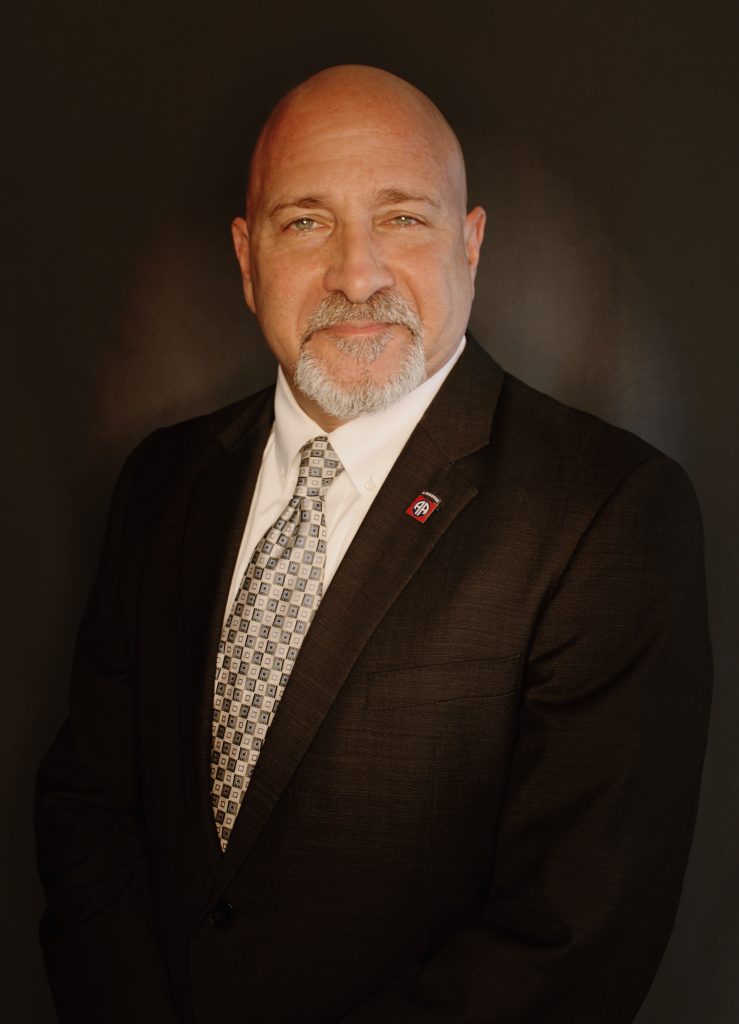
30+ Years Federal Defense Experience
U.S. Army Veteran (82nd Airborne)
Time is critical when facing federal charges. Every day without experienced counsel is a
day the government uses to build its case against you. Contact Myles A. Schneider today
for a free, confidential consultation.
Available 24/7 – Free consultation for all federal criminal matters
This site is for informational purposes only. Not legal advice.
Website crafted by Minnesota Legal Website Design & SEO
